


















10 Timeless Watch Styles Every Man Should Know (Complete Guide)

Understanding the Foundation of Timeless Watch Design
Timeless watch styles are designs that remain relevant regardless of trends, season, or generation. While fashion changes, certain watch categories have consistently defined men’s style, craftsmanship standards, and everyday functionality. Understanding these core styles helps you build a refined watch collection that works for business, formal occasions, travel, and daily wear.
True timelessness in watchmaking is not driven by marketing cycles. It is rooted in proportion, legibility, mechanical reliability, and functional design. These foundational categories have shaped horology for decades and continue to anchor serious collections worldwide.
In this expert guide, you will learn the 10 essential watch styles every man should know, how they differ, and how to choose the right one based on lifestyle, wrist size, and movement preference. A well-chosen watch becomes part of your identity. It signals discipline, taste, and intention without saying a word.
Choosing a watch isn’t about trends-it’s about long-term versatility and smart investment.
What Are Timeless Watch Styles? Complete Guide to Watch Categories
Timeless watch styles are established watch categories that remain relevant across decades because of balanced proportions, functional design, durable materials, and mechanical reliability rather than short-term fashion trends.
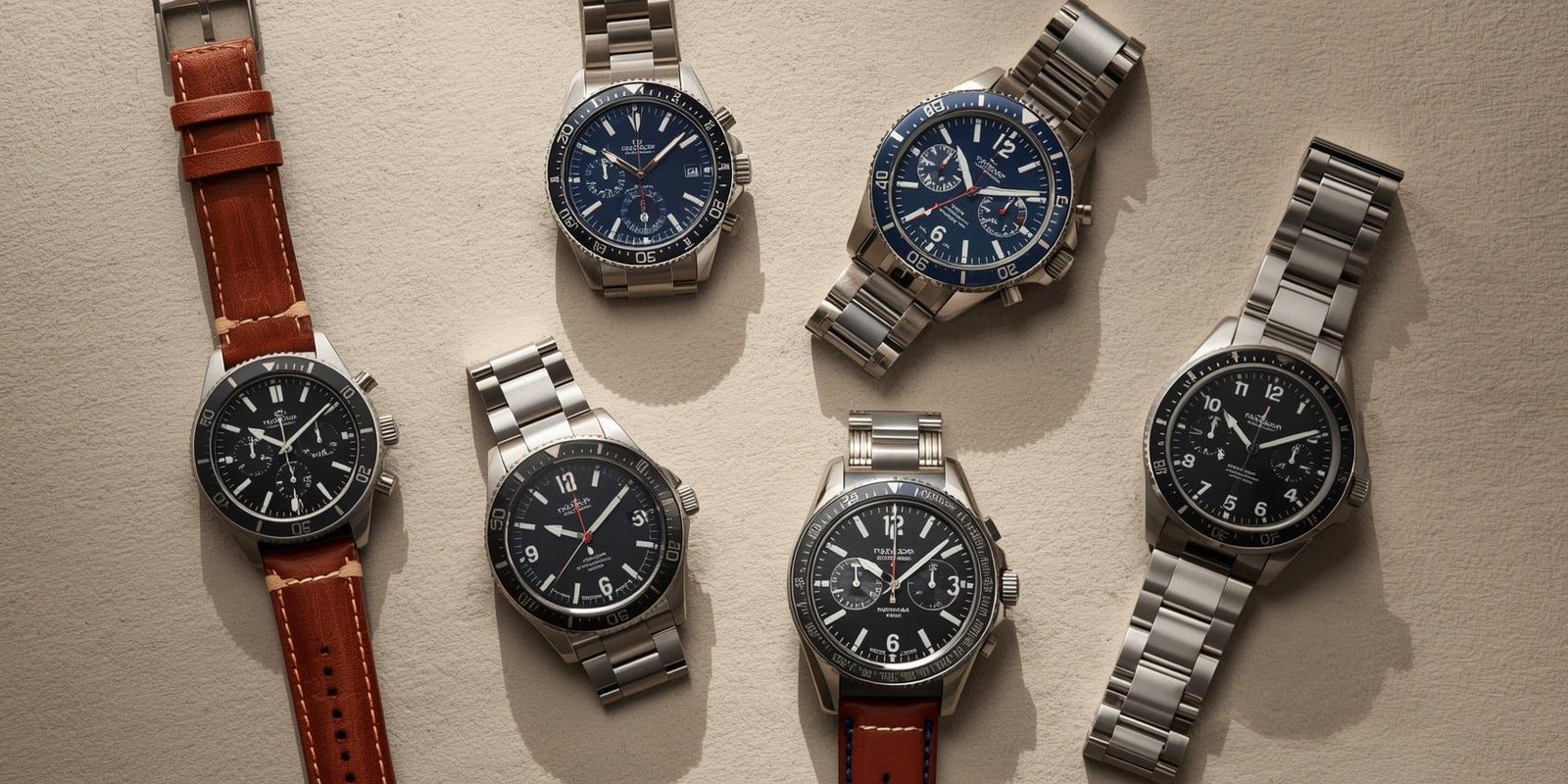
These styles include dress watches, diver watches, pilot watches, chronographs, field watches, GMT watches, minimalist watches, digital watches, automatic watches, and luxury sports watches. Each category evolved from a specific functional purpose and continues to hold structural design value today.
Quick Comparison Table
Below is a structured overview of the most important timeless watch categories.
| Watch Style | Best For | Key Features | Style Level |
|---|---|---|---|
| Dress Watch | Formal events | Slim case, leather strap | Elegant |
| Diver Watch | Daily wear and active lifestyle | 200m+ water resistance, rotating bezel, luminous markers | Sporty |
| Pilot Watch | Travel and aviation | Large dial, luminous hands, oversized crown | Bold |
| Chronograph Watch | Multi-function use | Stopwatch subdials, pushers, tachymeter | Versatile |
| Field Watch | Outdoor wear | Durable case, military-inspired dial | Rugged |
| Minimalist Watch | Everyday wear | Slim profile, simple dial | Modern |
| GMT Watch | International travel | Dual time zone, 24-hour bezel | Functional |
| Automatic Watch | Collectors and enthusiasts | Self-winding movement, mechanical craftsmanship | Classic |
| Digital Watch | Sports and utility | LCD display, alarms, shock resistant | Practical |
| Luxury Sports Watch | Status and versatility | Integrated steel bracelet, premium finishing | Premium |
What Makes a Watch Truly Timeless?
A watch becomes timeless when it combines functional purpose, balanced proportions, high legibility, durable materials, and design consistency across decades. Timeless watches prioritize clarity and structural integrity over trend-driven styling.
Timeless watches avoid exaggerated case sizes, trend-driven colors, or experimental shapes. Instead, they prioritize clarity, durability, and visual restraint. These qualities allow them to remain relevant across generations.
Key elements include:
- Balanced case proportions
- High legibility
- Durable materials such as stainless steel and sapphire crystal
- Reliable quartz or mechanical movement
- Design consistency across decades
A Brief History of Modern Watch Styles
Modern watch categories did not appear randomly. They evolved from functional needs.
• Field watches emerged from military requirements during World War I and II.
• Pilot watches were built for cockpit legibility during early aviation.
• Diver watches developed alongside professional underwater exploration in the 1950s.
• Chronographs gained prominence in motorsport and later space missions, famously worn during the Apollo era by the Omega Speedmaster.
In 1972, the release of the Audemars Piguet Royal Oak reshaped the industry by introducing the concept of the steel luxury sports watch. It proved that stainless steel could command high horology pricing when paired with exceptional finishing and design.
Understanding this evolution helps explain why these categories remain structurally relevant decades later.
1. Dress Watch: Classic Men’s Watch for Formal Occasions
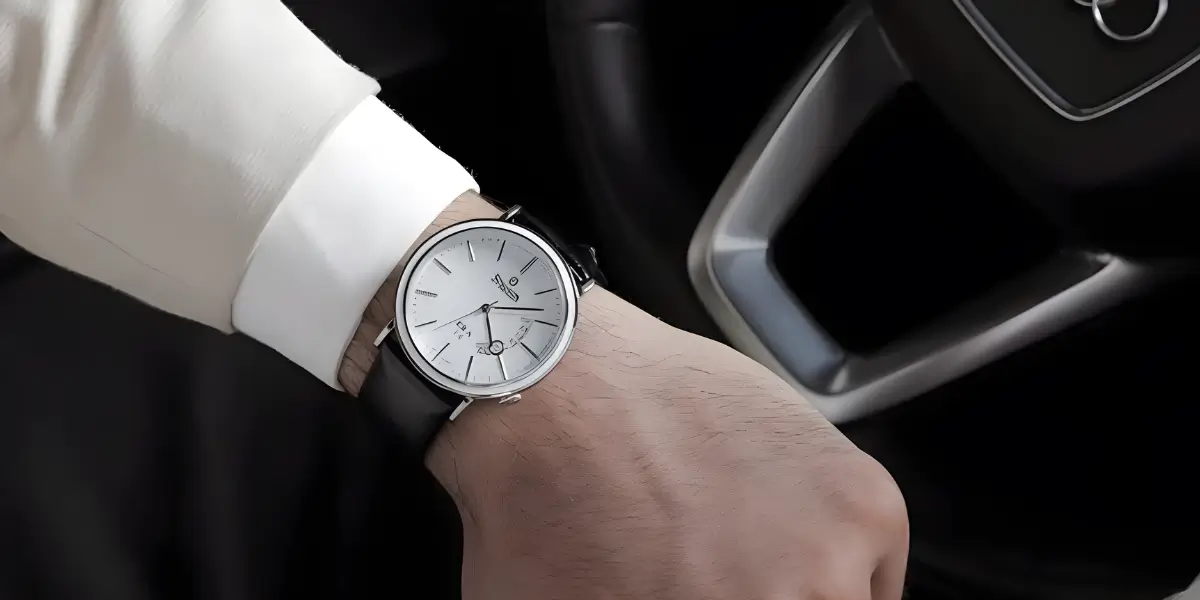
The dress watch is the foundation of classic men’s style. Slim, understated, and elegant, it complements formalwear without overpowering it.
A benchmark example is the Patek Philippe Calatrava line, known for its clean dial and restrained proportions.
Key Characteristics
- Thin case profile
- Leather strap
- Minimal complications
- Typically 36–40mm case diameter
Best For
- Business meetings
- Weddings
- Black tie events
For formal styling options, explore our Dress Watch Collection[Category link] to compare slim case profiles and leather strap variations.
If you prefer a ready-to-wear option, the Classic Slim Leather Dress Watch 40mm[single product link] offers a refined minimalist design ideal for business and wedding wear.
2. Diver Watch: Water Resistant Timeless Timepiece for Men
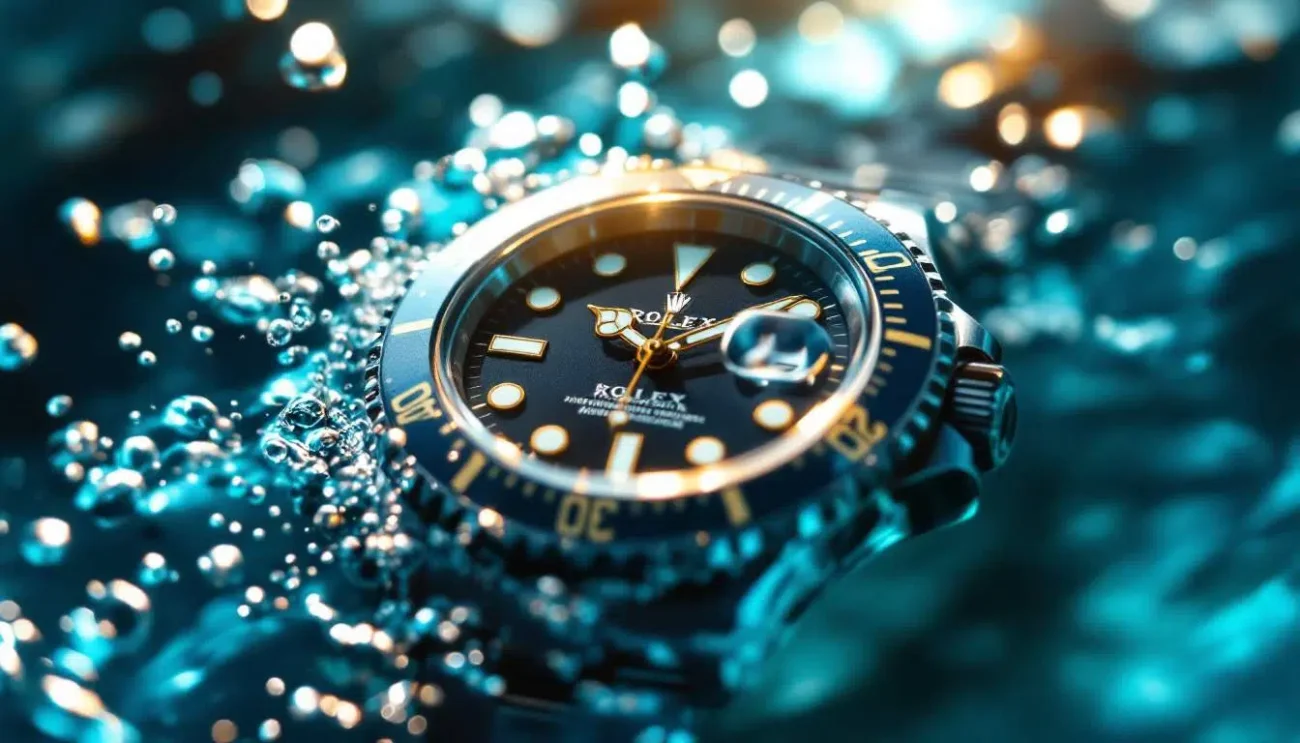
Originally engineered for underwater exploration, diver watches evolved into one of the most versatile everyday styles. The Rolex Submariner[link] helped define this category, and professional models often follow the International Organization for Standardization ISO 6425 standard[external link], which sets testing requirements for water resistance, legibility, and durability under pressure.
Key Characteristics
- 200 meters or more water resistance
- Unidirectional rotating bezel
- Luminous markers for low-light visibility
- Stainless steel construction for durability
Best For
- Daily wear
- Active lifestyles
- Casual and business casual outfits
Explore our professional diver watches[link] with 200m water resistance for durable, water-resistant designs suitable for both urban and outdoor environments.
3. Pilot Watch: Aviation Inspired Men’s Wristwatch
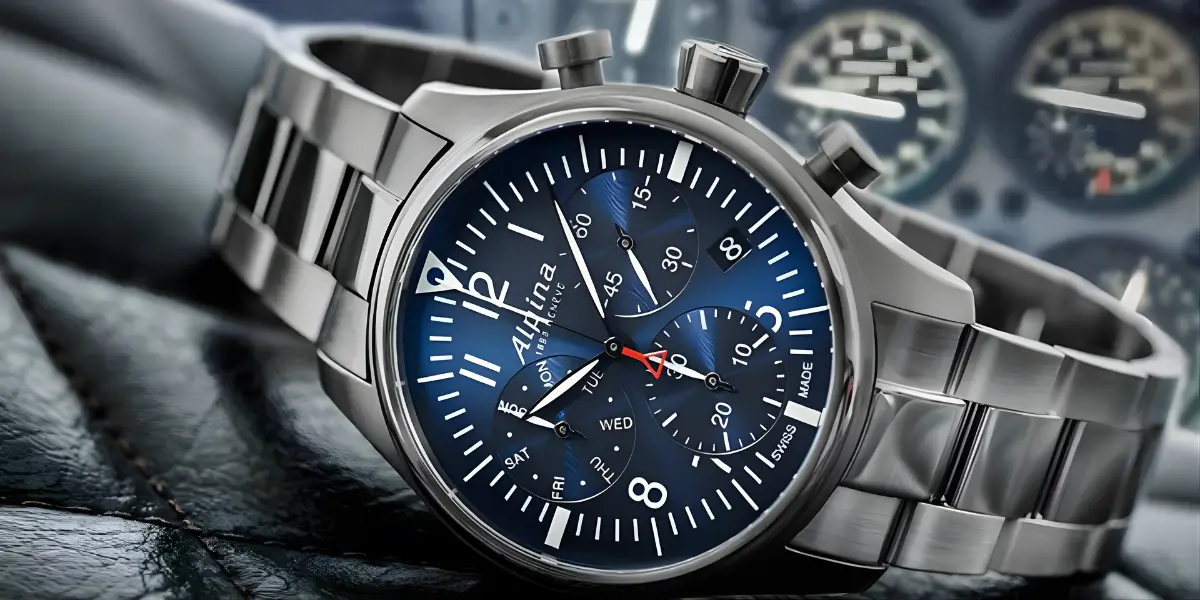
Pilot watches prioritize visibility and bold design. Large Arabic numerals, oversized crowns, and high-contrast dials define this style.
The IWC Big Pilot is widely recognized as a benchmark.
Best For
- Travel
- Statement styling
- Larger wrists
4. Chronograph Watch: Multi-Function Classic Watch
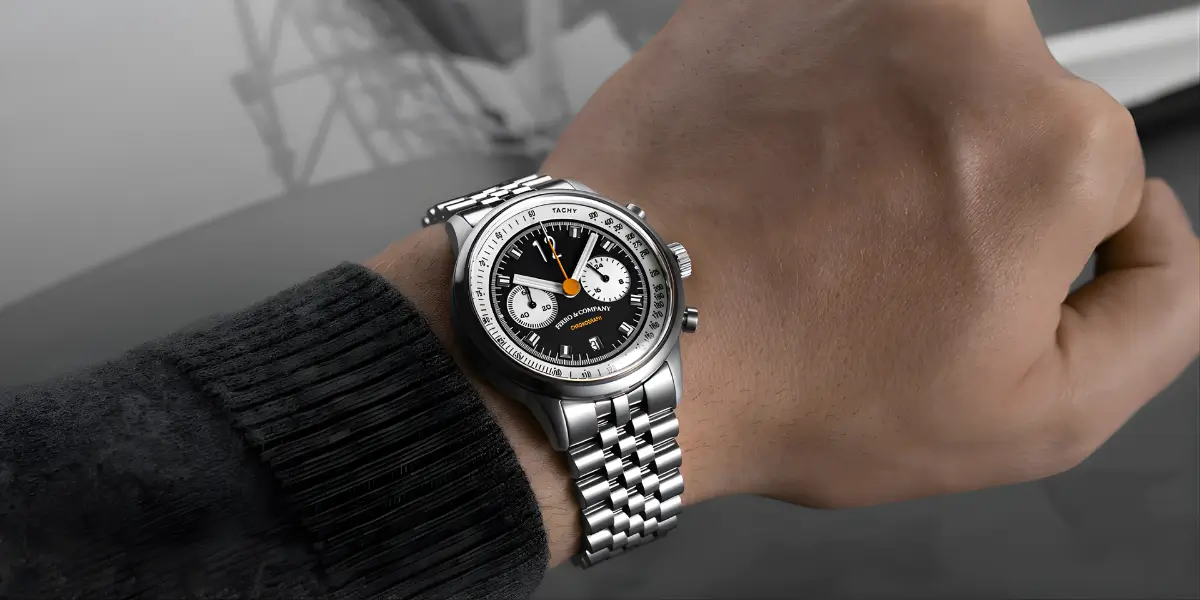
A chronograph integrates a stopwatch function into the watch movement.
The Omega Speedmaster remains one of the most respected chronographs in horology.
Key Characteristics
- Subdials
- Pushers on case
- Tachymeter scale in some models
View our Chronograph Watch Collection[LINK] for sport-inspired multifunction designs.
5. Field Watch: Rugged, Timeless Watch for Outdoor Use
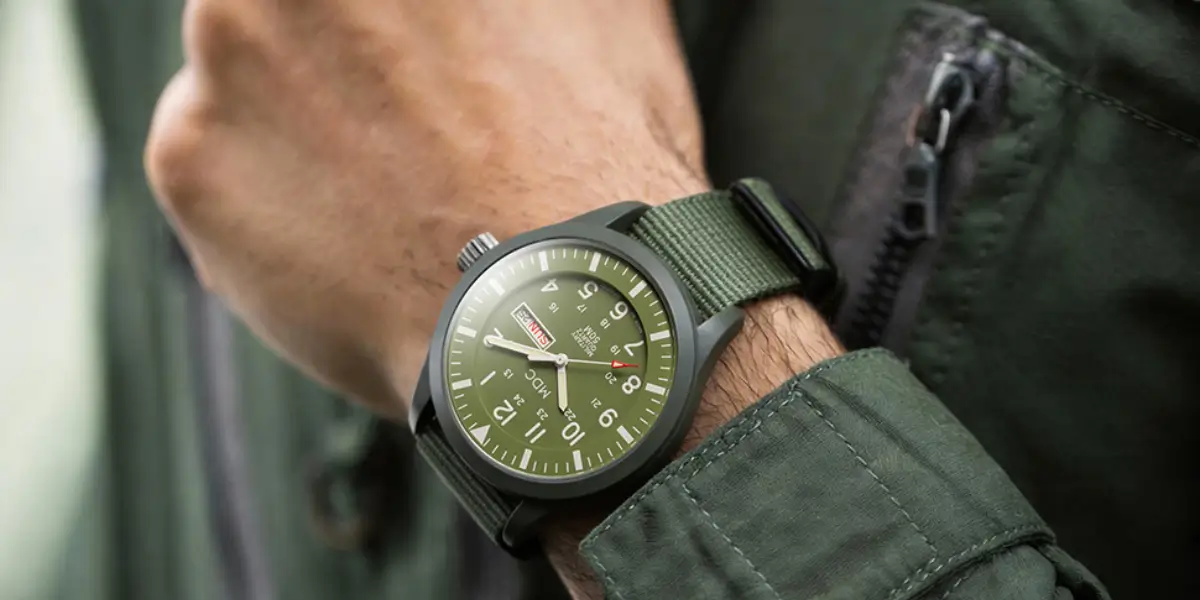
Field watches emphasize durability and legibility.
The Hamilton Khaki Field is a popular modern reference.
Best For
- Outdoor wear
- Casual daily styling
- Medium and smaller wrists
6. Minimalist Watch: Sleek, Modern Men’s Timepiece
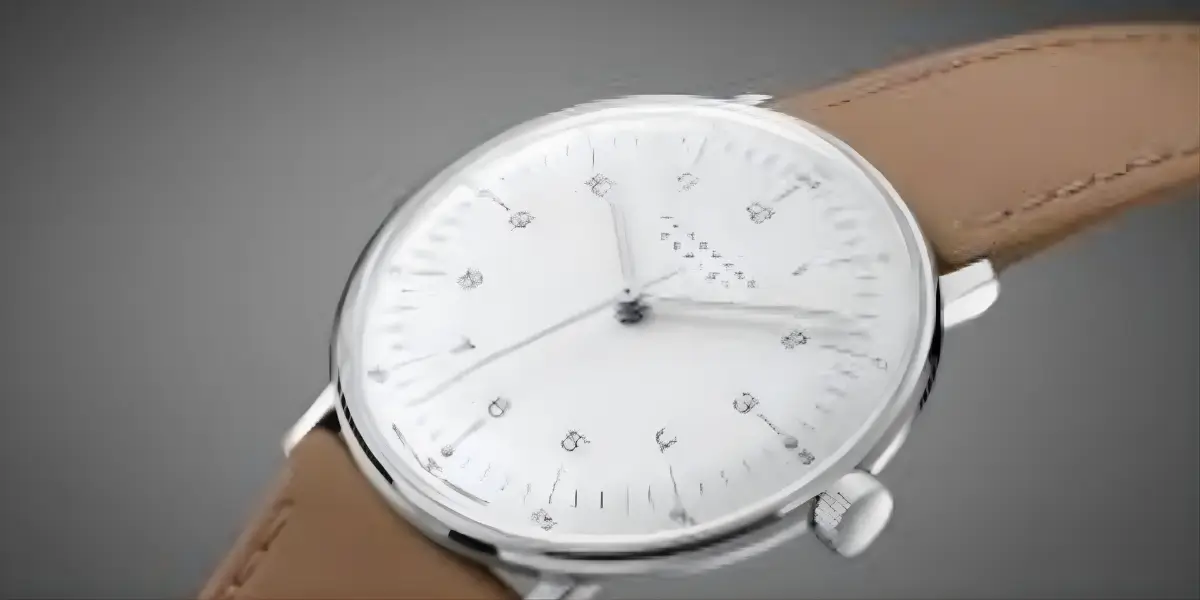
Minimalist watches focus on dial purity and balanced proportions.
Brands like Daniel Wellington popularized this aesthetic globally.
Best For
- Office wear
- Smart casual outfits
- Modern styling
7. GMT Watch: Dual Time Zone Watch for Travelers
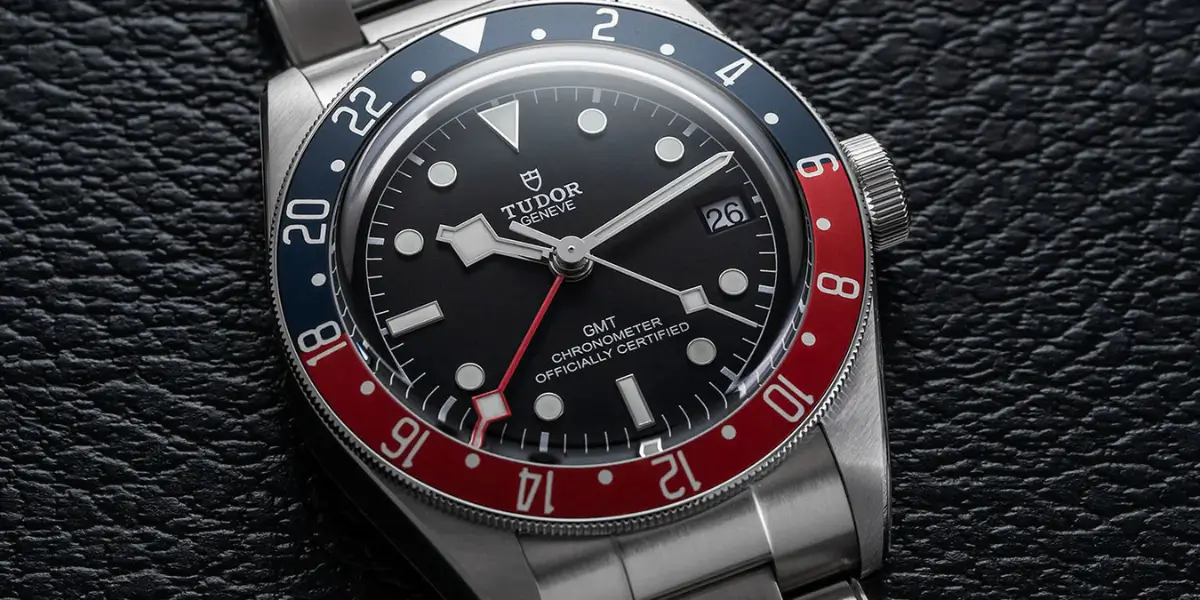
A GMT watch tracks multiple time zones simultaneously.
The Rolex GMT-Master II is among the most recognized GMT references.
Best For
- International travel
- Business professionals
- Remote work lifestyles
If you frequently travel, explore our GMT Watch Collection[Category link] for dual time functionality.
The Dual Time GMT Automatic 42mm Steel Watch[single product link] is a practical choice for business professionals and international travelers.
8. Automatic Watch: Classic Mechanical Watch for Collectors
Automatic watches use a rotor mechanism powered by wrist motion.
The Seiko 5 series is often recommended for first-time mechanical owners.
If you are new to mechanical watches, read our in-depth Automatic Watch Beginner’s Guide[LINK] explaining maintenance and longevity.
Best For
- Enthusiasts
- Collectors
- Traditional craftsmanship admirers
9. Digital Watch: Practical Sport Watch for Men
Digital watches prioritize utility and shock resistance.
The Casio G-Shock is globally recognized for durability.
Best For
- Sports
- Outdoor activity
- Utility wear
10. Luxury Sports Watch: Timeless Premium Men’s Watch
- The luxury sports watch blends steel durability with refined finishing.
- The Audemars Piguet Royal Oak pioneered the integrated bracelet design.
Explore our Luxury Sports Watch Collection for premium everyday options.
Best Watch Style by Budget
Your budget influences finishing quality, materials, and brand prestige, but it shouldn’t limit the type of watch you choose. Every price tier-from entry-level to luxury-offers timepieces with strong design, reliable movements, and lasting durability when you focus on proportions, craftsmanship, and functionality over hype.
Entry Level Watches
Field watches and automatic watches provide excellent value for money, combining durability with mechanical charm. Affordable options like the Seiko 5 are versatile, reliable, and perfect for everyday wear or starting a watch collection. These watches let you experience traditional watchmaking without overspending, making them ideal for beginners.
Mid Range Watches
Diver and GMT watches offer robust construction, water resistance, and practical features such as dual time zones. Mid-range watches strike a balance between style, functionality, and durability, making them suitable for professionals or enthusiasts. Explore options like Seiko Prospex Diver or Tissot GMT for quality timepieces under luxury pricing.
Luxury Tier Watches
Luxury sports watches and high-end dress watches provide superior finishing, intricate movements, and collectible value. Brands like Rolex Submariner and Patek Philippe Calatrava combine heritage with timeless style, making them both statement pieces and long-term investments. These watches are perfect for formal occasions, professional settings, or serious collectors.
Budget determines finishing level, but style determines functionality. Browse our full men’s watch collection to filter by budget, movement type, case size, and style, helping you find the perfect watch that suits your lifestyle and wardrobe.
How to Match Watch Styles with Outfits
- Suit → Dress watch
- Smart casual → Diver or GMT
- Business casual → Luxury sports
- Streetwear → Digital
- Outdoor → Field
How to Choose the Right Watch Style for Your Lifestyle
You can browse by lifestyle category inside our men’s watch collections[link] to narrow down options that match your daily wear needs.Best Watch Style Based on Your Lifestyle
If You Work in a Corporate or Formal Environment
A dress watch or luxury sports watch offers clean proportions and a polished presence for professional settings. Slim cases fit comfortably under shirt cuffs, while subtle designs ensure a refined, understated look for meetings, presentations, or formal events.
If You Want One Watch for Everything
A diver watch is the most versatile choice, combining water resistance, durable construction, and a stylish design. It transitions effortlessly from office to weekend activities, making it ideal for those who prefer a single reliable watch.
If You Travel Frequently
A GMT watch is perfect for frequent travelers, allowing you to track both home and local time simultaneously. Its dual-time functionality helps manage international schedules while maintaining a sophisticated, functional wrist presence.
If You Prefer Craftsmanship Over Convenience
An automatic watch highlights mechanical complexity and long-term ownership value. It appeals to enthusiasts who appreciate traditional engineering and watchmaking artistry over purely digital convenience.
If You Live an Active Lifestyle
A digital watch or rugged field watch delivers durability, shock resistance, and low-maintenance performance. These watches are built to withstand sports, outdoor adventures, and demanding daily routines without sacrificing functionality.
2. Wrist Size
Proportion is critical. For detailed measurement guidance, see our Watch Size Guide.
- Under 6.5 inches: 36–39mm
- 6.5–7.5 inches: 39–42mm
- Over 7.5 inches: 42mm+
3. Movement Preference
- Quartz: Low maintenance and precise
- Automatic: Mechanical craftsmanship
- Manual: Traditional experience
For reliability and battery efficiency, browse our Quartz Watch Collection.
Automatic vs Quartz: Which Is Better for Daily Wear?
Choosing between automatic and quartz is one of the most important decisions when buying a watch. Both movements serve different priorities, and neither is universally superior.
Choose Automatic If:
• You appreciate mechanical engineering
• You enjoy traditional craftsmanship
• You plan long-term ownership
• You value heritage and collector appeal
Automatic watches are powered by wrist motion using a rotor mechanism. They require no battery but may need servicing every few years. For many enthusiasts, the appeal lies in the mechanical complexity and longevity.
Entry level examples like the Seiko 5 make mechanical ownership accessible without luxury pricing.
Choose Quartz If:
• You prioritize accuracy
• You prefer low maintenance
• You want affordability
• You do not want servicing concerns
Quartz watches are battery-powered and typically more precise than mechanical movements. They are ideal for everyday wear and busy lifestyles.
The Practical Verdict
If you want convenience and precision, quartz is the smarter daily solution.
If you want craftsmanship and emotional connection, automatic offers greater depth of ownership.
Most first-time buyers benefit from quartz for simplicity. Enthusiasts often transition to automatic as their interest deepens.
Dress Watch vs Diver Watch: Which Should You Buy First?
If you are buying your first serious watch, this is the most common decision point.
Choose a Dress Watch If:
• You wear suits frequently
• You attend formal events
• You prefer understated elegance
A classic example is the Patek Philippe Calatrava, known for balanced proportions and minimalist dials.
Choose a Diver Watch If:
• You want maximum versatility
• You dress mostly smart casual
• You prefer a more robust wrist presence
The Rolex Submariner remains the benchmark for daily adaptability.
For most modern buyers, the diver watch offers broader daily usability. However, professionals in formal environments often benefit more from starting with a dress watch.
Luxury Sports Watch vs Diver Watch
These two categories are frequently confused because both use steel cases and integrated bracelets. However, their purpose and design philosophy are fundamentally different.
The difference lies in intent.
A diver is a tool watch engineered for underwater functionality.
A luxury sports watch, pioneered by the Audemars Piguet Royal Oak, prioritizes finishing, design integration, and brand prestige over extreme tool performance.
If durability is your priority, choose diver.
If refinement and finishing matter more, choose luxury sports.
Common Mistakes Men Make When Buying a Watch
Many buyers prioritize brand recognition over structural suitability. This often results in oversized cases, redundant purchases, or watches that do not integrate well into a balanced collection.
- Buying oversized cases without considering wrist proportion
- Choosing trends over structural categories
- Ignoring water resistance ratings
- Buying multiple similar sports watches instead of diversifying
- Confusing brand hype with long-term design value
A watch should fill a functional gap in your rotation, not duplicate one.
Frequently Asked Questions
What is the most versatile watch style?
The diver watch is generally considered the most versatile watch style because it combines durability, water resistance, legibility, and adaptable styling suitable for both casual and business casual environments.
Are automatic watches better than quartz?
Automatic watches emphasize craftsmanship. Quartz offers greater accuracy and low maintenance. The better choice depends on priorities.
What size watch should a man wear?
Most men suit 38–42mm depending on wrist size and preference.
What is the difference between a dress watch and a sports watch?
Dress watches are slim and formal. Sports watches prioritize durability, water resistance, and functionality.
How many watches should a man own?
Most men benefit from 3–5 watches covering different purposes: a dress watch for formal events, a diver or luxury sports watch for everyday use, a GMT or field watch for travel and outdoors, and optionally a digital or minimalist watch for casual occasions. Each watch should fill a clear role in your rotation.
Is a luxury watch a good investment?
Luxury watches can hold or appreciate in value, but they should primarily be purchased for craftsmanship, design, and personal enjoyment. Iconic models and limited editions often retain value best. Treat luxury watches as long-term personal assets rather than short-term financial investments.
Why This Guide Is Reliable
This classification framework reflects traditional horological taxonomy used by global manufacturers, retailers, and collectors. The categories discussed are consistent across Swiss, Japanese, and modern performance watch brands.
Rather than emphasizing short-term trends, this guide focuses on foundational styles that have shaped men’s watch collections for decades.
Building a Balanced Long-Term Watch Collection
A watch is one of the few accessories a man wears daily for years. It marks career milestones, travel memories, and personal growth. Choosing the right category ensures it evolves with you rather than feeling outdated after a single season.
If you want versatility without redundancy, build intentionally:
• One dress watch for formal structure
• One diver or sports watch for durability
• One versatile everyday piece for daily rotation
This trio covers business, travel, events, and casual wear without overlap. Start with the category that fills the biggest gap in your current rotation, then expand strategically over time.
The goal is not quantity. It is functional range.
A well-structured collection feels effortless because every watch has a defined purpose.